
Gwo Xi’s GXNPC1® Receives TFDA Approval for Phase III Clinical Trial to Address Chronic Stroke-Related Disability
Gwo Xi Stem Cell Applied Technology Co., Ltd. (TPEx: 6704) announced that its investigational stem cell medicine GXNPC1®, developed for chronic stroke-related disability, has officially received approval from the Taiwan Food and Drug Administration (TFDA) to initiate a Phase III clinical trial, marking a significant advancement in the clinical development of GXNPC1® and Gwo Xi’s efforts to address the unmet medical needs of patients living with long-term post-stroke disability. Built on regenerative medicine technology, GXNPC1® is intended to address persistent neurological impairments and disability following stroke. As the global population ages and more patients survive the acute phase of stroke, the number of people living with long-term post-stroke disability continues to increase. However, treatment options for patients in the chronic stage remain limited beyond rehabilitation and supportive care. Gwo Xi stated that it will continue to advance the Phase III clinical trial, GMP manufacturing, and regulatory preparations in accordance with applicable requirements, with the goal of accelerating the development and commercialization of the GXNPC1®, further strengthen its focus on neuroregenerative medicine, and align with Taiwan’s dual-track regenerative medicine legislation to expand treatment options for patients with chronic stroke-related disability while reducing the burden of long-term care.
More Than 12 Million People Worldwide Suffer a Stroke Each Year, with Approximately 94 Million Living with Post-Stroke Disability
Stroke remains a major cause of death and disability worldwide. According to the latest data from the World Stroke Organization (WSO), more than 12 million people worldwide suffer a stroke each year, while approximately 94 million people are currently living with post-stroke disability. Stroke-related neurological damage is also a major contributor to disability globally. In 2026, the World Health Assembly adopted its first global resolution specifically addressing stroke, calling for comprehensively action across prevention, treatment, rehabilitation, and long-term care to reduce the global burden of stroke. The resolution underscores the growing international focus on stroke treatment and long-term disability management
For stroke survivors, once the disease enters the chronic stage, medically defined as six months or more after stroke, may involve persistent or permanent neurological impairments, including impaired limb movement, difficulty walking, and speech or cognitive deficits. These disabilities can significantly affect activities of daily living and work capacity while placing a substantial burden on patients, families, and caregivers. Therefore, strategies aimed at reducing neurological impairments, promoting neurological recovery and improving functional outcomes after stroke have become an important area of research in regenerative medicine and neurological disease treatment.
Cerebrovascular Diseases Cause 12,425 Deaths in Taiwan Each Year, with More Than Half of Stroke Patients Remaining Disabled Six Months After Stroke
Taiwan also faces a substantial burden from stroke and cerebrovascular disease. According to the latest 2025 Cause of Death Statistics released by Taiwan’s Ministry of Health and Welfare, cerebrovascular diseases caused 12,425 deaths, with a mortality rate of 53.2 per 100,000 people, making cerebrovascular disease the fourth leading cause of death in Taiwan.
However, the impact of stroke extends beyond mortality. Data from the Taiwan Stroke Registry indicate that among patients experiencing a first stroke, the proportion of patients remaining disabled 1, 3, and 6 months after stroke was approximately 61.2%, 55.58%, and 51.72%, respectively.
In addition, according to a stroke handbook published by Taiwan’s Health Promotion Administration, approximately 45%–64% of stroke patients continue to experience impaired work capacity 6 months after stroke, demonstrating that approximately 4 to 6 out of every 10 stroke patients are unable to return to their previous occupations. These figures highlight persistent burden of post-stroke disability despite standard treatment and rehabilitation, underscoring the need for alternative, novel therapeutic approaches for patients with chronic neurological deficits.
Current clinical treatment for stroke varies according to the stage of disease and includes revascularization, pharmacological treatment, and rehabilitation. However, for patients in the chronic stage who continue to experience neurological deficits, effective treatment options to further improve neurological function remain limited, representing a significant unmet medical need.
GXNPC1® Enters Phase III Clinical Development, Advancing Regenerative Medicine for Chronic Stroke
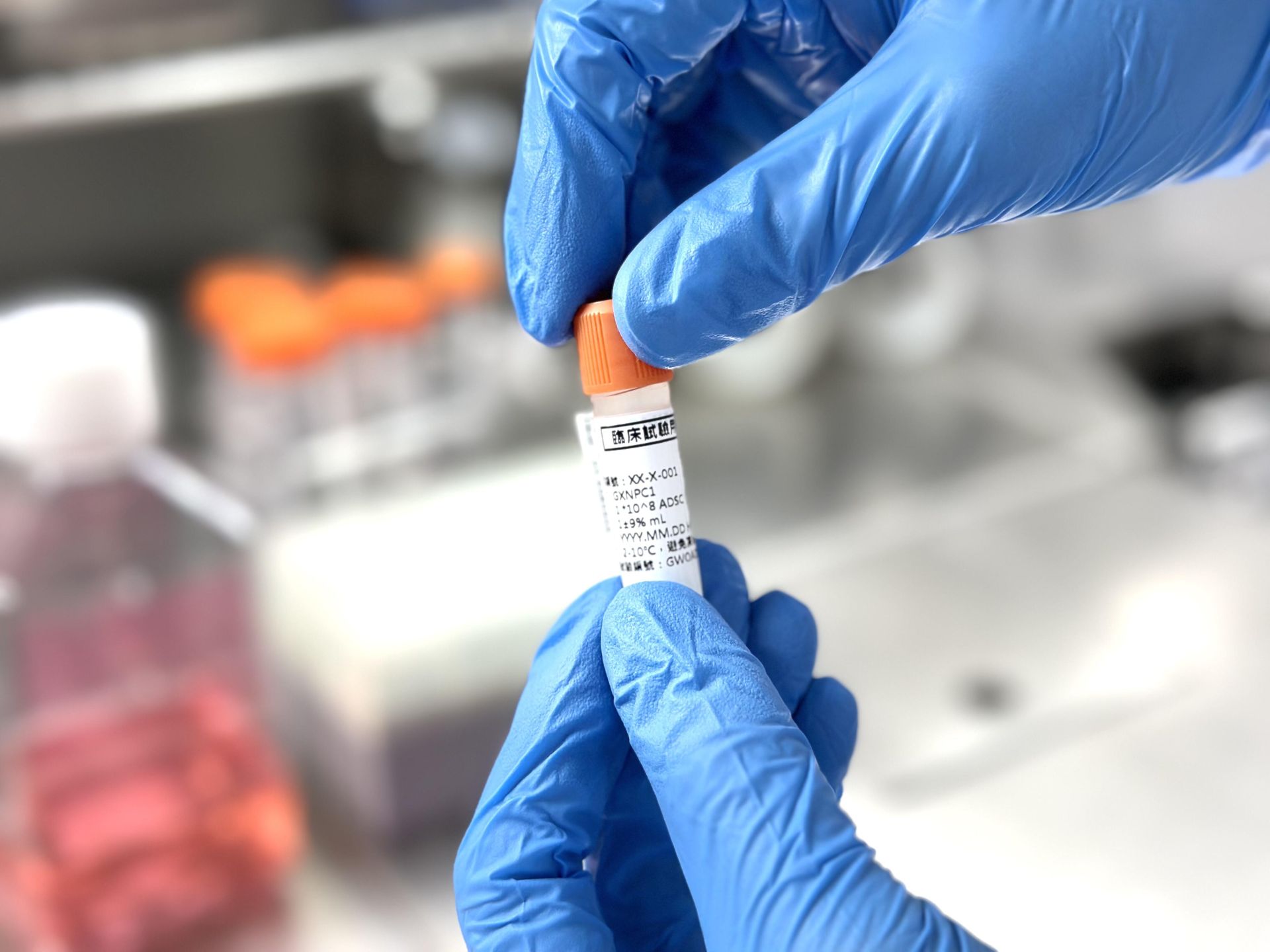
GXNPC1®, an investigational stem cell medicine being developed by Gwo Xi Stem Cell Applied Technology Co., Ltd., is based on autologous adipose-derived mesenchymal stem cells (ADSCs) and is being developed for patients with chronic stroke-related disability. Through a regenerative medicine approach, GXNPC1® is intended to provide a potential therapeutic option for patients who continue to experience neurological deficits following stroke.
Following TFDA approval to initiate a Phase III clinical trial, GXNPC1® has entered a pivotal stage of clinical development, representing an important milestone in Gwo Xi’s development pipeline for chronic stroke.
Gwo Xi stated that the advancement of GXNPC1® into Phase III clinical trial represents not only significant progress for an individual product, but also a major milestone in the company’s long-term strategies in neuroregenerative medicine and regenerative medicine therapeutics. The company will continue preparations related to clinical development, pharmaceutical quality, and regulatory requirements in accordance with the scope of the approved clinical trial and applicable regulations.

Global Stroke Treatment Market Continues to Grow, with a Promising Growth Outlook for Chronic Disability Care Demand
The global market for stroke treatment and disability management continues to expand. According to market research data, the global stroke management market was valued at approximately US$49.38 billion in 2025 and is projected to reach approximately US$95.96 billion by 2034, representing a compound annual growth rate (CAGR) of approximately 7.66% from 2026 to 2034.
Market growth is primarily driven by factors including population aging, unhealthy lifestyles, and the increasing prevalence of hypertension and diabetes, all of which contribute to the global burden of stroke. Meanwhile, advances in emergency stroke care and thrombectomy technologies have improved survival following acute stroke, resulting in a growing population of stroke survivors who may require long-term rehabilitation and disability management.
Compared with the acute stage of stroke, when treatment focuses primarily on preventing death and minimizing neurological damage, patients in the chronic stage may require long-term care, rehabilitation, and disability management. This makes chronic stroke-related disability an increasingly important area for research and development in regenerative medicine and cell therapy.
Dr. Ming-Hsi Chuang, Chairman of Gwo Xi Stem Cell Applied Technology Co., Ltd., said, “Stroke patients may continue to experience disability and reduced quality of life long after receiving acute-stage treatment, making this an area with a significant unmet medical need. The official entry of GXNPC1® into a Phase III clinical trial represents an important milestone for Gwo Xi in the field of neuroregenerative medicine.” He added, “We will continue to place scientific evidence and clinical needs at the core of product development and advance the program in accordance with regulatory requirements. We look forward to the potential of GXNPC1® to provide a new treatment option for patients living with chronic stroke-related disability and to help reduce the long-term care burden on patients, families, and society.”
From Stem Cell Technology to Stem Cell Medicine, Gwo Xi Continues to Strengthen Its Regenerative Medicine Portfolio
Gwo Xi Stem Cell Applied Technology Co., Ltd. has long focused on stem cell technology platforms, regenerative medicine, and the development of cell therapy products, with products covering disease areas including neurological, orthopedic, hepatic, and metabolic diseases. With GXNPC1® entering Phase III clinical development, the company is strengthening its position in stem cell medicines, neuroregenerative medicine, chronic stroke treatment, and regenerative medicine.
As the global population of stroke survivors continue to grow and regulatory and clinical frameworks for regenerative medicine and advances therapies continue to evolve worldwide, Gwo Xi will continue to integrate clinical development, GMP manufacturing, quality management, and regenerative medicine technology platforms to advance its products from R&D stage through late-stage clinical development and toward commercialization.
The approval of the Phase III clinical trial for GXNPC1® marks a new stage in Gwo Xi’s development of a stem cell medicine for chronic stroke. It also aligns with Taiwan’ Regenerative Medicine Act and the Regenerative Medicinal Products Act, while supporting the development of innovative biomedical technologies and the Long-Term Care Plan 3.0 and Healthy Taiwan strategies to address the healthcare and disability challenges associated with a super-aged society.